Use this itinerary only after checking current travel advice and the exact route. On 27 October 2026, Australian guidance warned of the Cambodia–Thailand border conflict and closed land crossings. Siem Reap sightseeing should be planned within current official restrictions, transport conditions and insurance cover. Australian Smartraveller: Cambodia travel advice.
Beyond the sunrise photograph
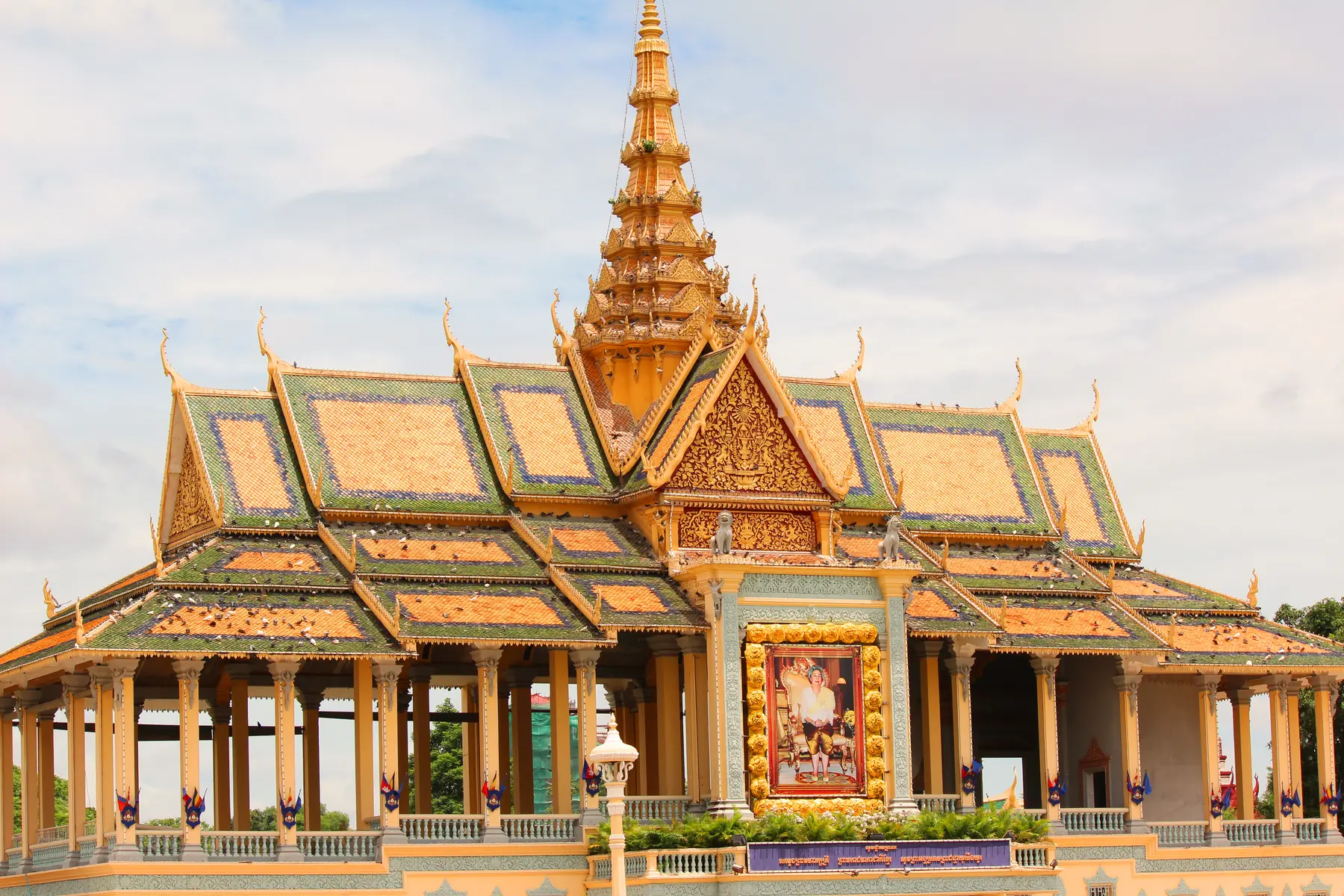
Siem Reap wakes gently. Tuk-tuks roll through warm streets, soup pots appear by the roadside and the first temple-bound travellers clutch coffee in the dark. Angkor Wat deserves its reputation, but it is the scale of the wider park—the forest swallowing doorways, faces emerging from stone and sudden pockets of silence—that makes a day here feel unreal.


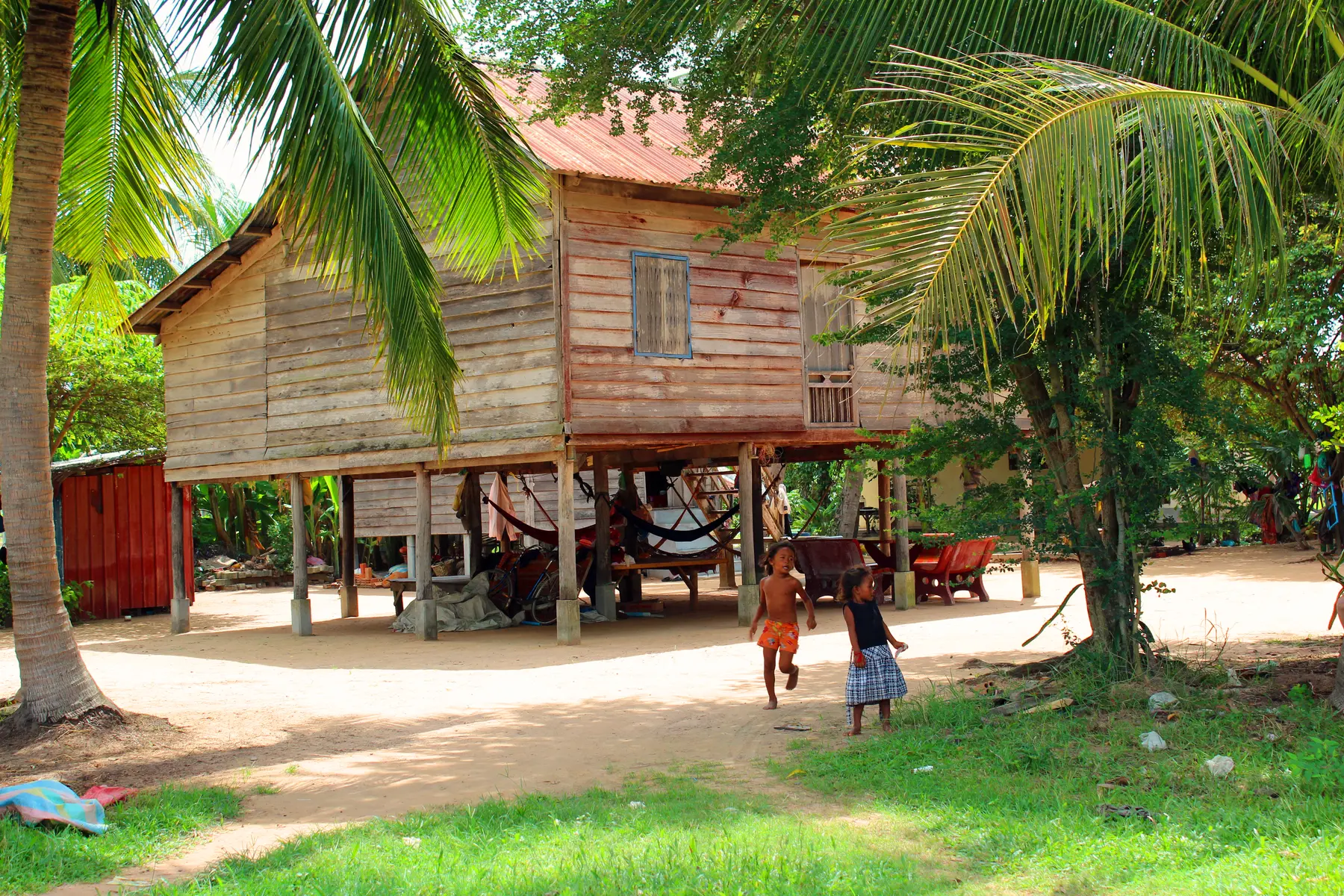
Leave room for Cambodia away from carved stone. Rural roads pass rice fields, stilt houses and bright green paddies. The contrast is not an extra; it is the trip.


A THREE-DAY ITINERARY
Temples, town and one unhurried road
Day one: Angkor’s greatest hits
Go early for Angkor Wat, but do not spend the entire day chasing a perfect empty frame. Continue to the faces of Bayon and the roots at Ta Prohm, take a long lunch, and stop when the heat wins. Temple fatigue is real; one memorable carving beats six blurred ruins.
Day two: Siem Reap at human speed
Have kuy teav noodle soup for breakfast, browse the old market and visit a social enterprise or craft workshop. Late afternoon is for the river and a drink somewhere relaxed. Pub Street exists, but it does not have to own the evening.


Day three: countryside and floating life
Hire a tuk-tuk for a loop through villages and rice fields, or take a responsible small-group trip toward Tonle Sap. Ask how much of the fee reaches the community, and avoid tours that turn people’s homes into a spectacle.
FOOD GUIDE
Khmer food deserves more attention
Fish amok is the headline dish: a fragrant coconut curry, often steamed in banana leaf. Beef lok lak is peppery and comforting; nom banh chok makes a brilliant breakfast; and kuy teav is the noodle soup you will want again the next morning. Try palm-sugar sweets and whatever fruit is in season.
The food is generally gentler than neighbouring Thai cooking, with fresh herbs, sour notes and fermented flavours doing the work. Markets are excellent for grazing. Choose food that has just been cooked and is served hot.
TRAVEL COSTS
What three days might cost
| Budget item | US dollars | British pounds |
|---|---|---|
| Simple private room, per night | $20–40 | £15–30 |
| Comfortable hotel, per night | $55–100 | £41–75 |
| Local meal | $3–7 | £2–5 |
| Temple-day tuk-tuk | $20–35 | £15–26 |
| Angkor pass and activities | Allow $65–100 | Allow £49–75 |
| Three-day trip, careful budget | $160–260 | £120–195 |
| Three-day trip, comfortable | $350–600 | £263–450 |
These are worked planning ranges, not a fresh survey of available hotel rooms, fares or meals. International flights are excluded. Obtain dated quotes for your own travel dates, location, activities and insurance; use the figures only to test the structure of a budget.
KEEP EXPLORING
Thinking about more than a holiday?
If your trip leaves you considering a longer stay, compare the capital’s services with the pace of Siem Reap and Kampot. The destination guide puts the housing and healthcare decisions beside those places.
Before converting a short Cambodian stay into a longer one, compare the free guide with the Cambodia companion book, whose samples cover visas, rentals and work.